渡辺高等学校の学費と口コミ・評判まとめ
渡辺高等学校の特徴や学費についてのコラムです。渡辺高等学校は、芸能の業界での活躍できるエンターテイナーの輩出を目的とするサポート校です。オーディションや日々のレッスン中であっても、実力が認められるとデビューが可能となっています。もちろん、基礎からしっかり学べるのでじっくり学びたい方にもおすすめです。
通信制高校やサポート校の学費・評判・口コミを徹底比較

通信制高校やサポート校、もしくは高卒認定資格を得られる各学校の一覧リストです。
渡辺高等学校の特徴や学費についてのコラムです。渡辺高等学校は、芸能の業界での活躍できるエンターテイナーの輩出を目的とするサポート校です。オーディションや日々のレッスン中であっても、実力が認められるとデビューが可能となっています。もちろん、基礎からしっかり学べるのでじっくり学びたい方にもおすすめです。
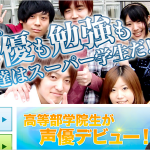
インターナショナル・メディア学院高等部の特徴や学費についてのコラムです。インターナショナル・メディア学院高等部は、声優の業界での活躍できる若者の輩出を目的とするサポート校で、実力が認められると最短1ヶ月のデビューもありえます。もちろん、基礎からしっかり学べるのでじっくり学びたい方にもおすすめです。
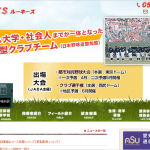
ベースボール総合アカデミーROOKIESの特徴や学費についてのコラムです。ベースボール総合アカデミーROOKIESは、野球をしながら高校の卒業資格を取得したい方向けのサポート校です。設備や講師陣などトップクラスの環境が整っていますので、本気で野球に取り組みたい方にはおすすめですよ。
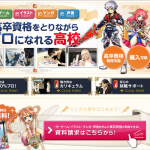
バンタンゲームアカデミー高等部の特徴や学費についてのコラムです。バンタンゲームアカデミー高等部は、ゲーム・イラスト・マンガ・声優の業界での活躍できる若者の輩出を目的とする通信制高校で、実力が認められると在学中のデビューも充分にありえます。もちろん、基礎からしっかり学べるので未経験者も入学可能ですよ。
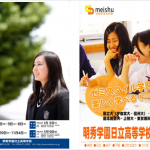
明秀学園日立高等学校の特徴や学費についてのコラムです。明秀学園日立高等学校は、全日制の併設校ということもあり、卒業時には全日制と同じ卒業資格や証書をもらえます。また、途中から全日制の高校に移籍することもできますよ。
国際理容美容専門学校の特徴や学費についてのコラムです。国際理容美容専門学校は美容師・理容師を目指す方向けの学校で、卒業と同時に美容師の免許を取得することができるようにカリキュラムが組まれています。そのため、就職してから美容室で働きたい方にとっては夢への近道となっています。
横浜さくら響育学園高等部の特徴や学費についてのコラムです。横浜さくら響育学園高等部はスクールカウンセラーが創設したサポート校で、カウンセラーとしての経験を活かしたアットホームな校風が特徴の学校となっています。
ディヤーナ国際学園の特徴や学費についてのコラムです。ディヤーナ国際学園は自立支援コース、広域通信制高校サポートコース、海外英語留学コース、東南アジア 大学進学サポートコースの4つのコースがあり、海外での進学にも力を入れているのが特徴です。

今人気の通信制高校、「N高等学校」について紹介します。学費、口コミ、各コースの紹介、卒業後の進路など、入学・転入・編入前に知っておきたい情報がもりだくさん!
高松中央高等学校 広域通信制課程の特徴や学費についての紹介ページです。トライ式高等学院との提携校としても人気の通信制高校です。

クラーク記念国際高等学校は、必要な学力を養いながら、夢に向かってまっすぐ走れるような高校生活を送れる通信制高校です。学費やスクーリングの情報などを掲載しています。
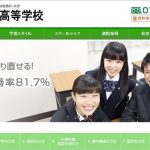
わせがく高等学校は、学校法人早稲田学園が運営する通信制高校です。不登校を経験した方でも中学校の復習から始めるため無理なく通うことができます。途中から学習スタイルを変更することも可能です。年間行事も豊富なので、全日制のような楽しい思い出が作れます。
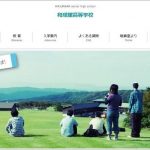
和順館高等学校は、定時制や全日制をやむを得ず中退してしまった人達を迎え入れてくれる通信制高校です。のびのびと学習することが出来ますし、スクーリングもしやすくなっている点が特徴です。今回は和順館高等学校のと学費や特徴、スクーリングについてご紹介。
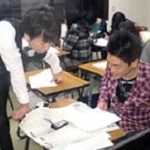
和歌山高等学院は通信制高校サポートコースと高卒認定試験コースから選択できるサポート校です。ライフスタイルに合わせて選択できる点が魅力。丁寧できめ細やかな指導・授業が受けられます。ぜひ、資料請求してみてはいかが?
YGS高等部は、通信制高校「星槎国際高等学校」のサポート校です。サポート校なので、YGS高等部に通うだけでは卒業資格を取得できませんが、自分のライフスタイルや習熟度に合わせてコースが選択できます。少人数制クラスで先生も二人以上いるため安心して通えます。
YMCA学院高等学校は、通信制・単位制の学校です。通信制高校なので自学学習がメインとなっていますが、自分の生活スタイルに合わせてコースが選択できます。行事も盛んですし、心のケアも大事だと考え、カウンセラースペースも設けていますので安心です。

レコールバンタン高等部は、パティシエやシェフを目指す方の為の学校です。一年次には基礎的なことから学び、講義は現役のプロが担当してくれます。未経験者でも安心して始められます。通信制高校と両立させて、自分の夢を叶えてみませんか。就職率も高い!
リバースアカデミー師友塾東京校はサポート校ですから、通信制高校も同時に入学します。少人数制授業でコースも「レギュラーコース」と「ほっとスポット」の二つから選択可能です。イベントも多く用意していますので、楽しい思い出を刻みながら卒業を目指せます。

立修館高等専修学校は、クラーク記念国際高等学校と連携している学校です。色々なコースがありますが、高校卒業資格を取得したい方は「別科」を選択しましょう。通信制高校と同じシステムなので過ごしやすいです。科目により学べる内容が違う為、チェック!

立志舎高等学校の入学試験は学力試験ではなく、面接や書類選考によるものです。「平日コース」と「土曜コース」から選択できます。土曜コースは通信制高校の特徴を最大限に生かしたコースです。もちろん部活動に参加できますし、学校行事も盛んとなっています。
代々木高等学校は、居場所がないと感じる生徒や不登校になってしまった生徒を受け入れてくれる通信制高校です。自分に合せたコースが選択できますし、海外留学にも力を入れています。再チャレンジしたいと考えている方におすすめ。説明会や体験入学もあります。

四谷インターナショナルスクール高等部は、日本とアメリカの高等学校卒業資格を取得できる学校です。英語力を自らに合ったレベルに合わせて身につけることができ、留学することも可能。充実した通信制高校生活を送りたい方は、ぜひ資料請求をしてみませんか?
横浜デザイン学院・高等課程は自分の「好き」を学べる通信制高校です。どのコースも基礎的な事から学べるので初心者でも安心です。「好き」を通して友達作りが出来ますし、部活動や行事も充実しているため、楽しい高校生活が送れる環境が整っています。

横浜アカデミー高等部は通信制高校ではなくサポート校です。少人数制クラスでの授業なので、高校生活をやり直したい方におすすめです。体験型学習に力を入れているため、個性を大切にしながら多くの事を経験していけます。教師に相談しやすい環境も整っています。

悠学館は通信制高校のサポート校でもあり、フリースクールでもあります。様々なコースがあるのでその中から自分に合ったコースが選べます。マイペースで学習を進め自分と向き合うことができます。自分らしさを大切にしたい方に検討していただきたい通信制高校です。

勇志国際高等学校は、広域通信制高校です。インターネットを活用した授業システムが大きな魅力となっています。インターネット環境が無い方でも学習はしっかりできるので安心。スクーリングも2タイプから選択できるため、無理なくペースを守りながら卒業できます。
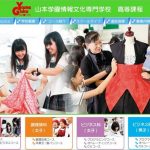
山本学園情報文化専門学校・高等部は通信制高校ではないため、提携している高校へ同時入学してもらう事になります。様々な科とコース選択が出来るため、手に職を付けたい方におすすめの学校です。学校行事も盛んに行われているので、楽しく過ごせます。
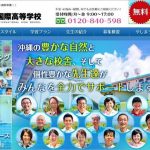
八洲学園大学国際高等学校は、全国から入学できる通信制高校です。スクーリングが年に1回沖縄で行なわれ、視聴放送学習をすることで最短日数まで短縮できます。サポート体制がしっかりしているため、学習に対して不安な方も安心して卒業を目指せます。
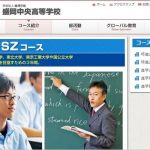
盛岡中央高等学校は、グローバル教育に力を入れていますので留学できるコースや英語でのスピーチをする場が用意されています。また、国公立大学や難関大学への進学を目指す方に嬉しいコースもあり、習熟度別授業なので安心して進められる通信制高校です。

メークアップアーチスト学院・高等部は、メイクやネイルを学ぶことのできる通信制高校のサポート校です。提携校は鹿島学園高等学校なので無理なく高校卒業を目指せます。基礎から学べ、就職ガイダンスもしっかりしているため、悩んでしまっても安心。
明蓬館高等学校は、インターネットを活用して学習を進めることを取り入れている学校となっています。公立と私立の通信制高校の一番良いところだけを採用して、3つのコースが用意されているため、自分に合った学習方法が選ぶことができます。
明聖高等学校は、自分のペースで学習をしプライベートの時間と両立できる通信制高校となっております。サポート体制もしっかりされているため、悩みを抱えている方や学習面に不安のある方でも安心して通学できます。
明誠高等学校通信制課程は、自分のペースを保ちながら高校卒業資格を取得できる通信制高校となっております。レポート作成もしやすいようにCD-ROMの配布もしていますし、自分に合せた学習が出来るので安心です。明誠高等学校の学費、特徴、コース、口コミをご紹介。
むさしの高等学院は、個別指導をベースとしておりますので皆に合わせることなく自分のペースで高校卒業が目指せます。通信制高校と技能連携校の組み合わせで、高校卒業資格を目指しましょう!
武蔵野星城高等学校は、週1日登校する一般コースが通信制になります。こちらの通信制高校はどなたでも通いやすい温かな校風と過ごしやすい環境づくりがされていますから、おすすめです。
夢現高等学園は、通信制高校と連携して通えるサポート校です。自分のペースで学習が進められることに加え、パソコン技能向上を目指してワードやエクセルを授業内で学ぶことができます。夢現高等学園は人としても成長できる環境が整っています。
夢作志学院は、自分のペースを守りながら通える通信制高校です。勉強に苦手意識を持っている方などにおすすめしたい学校です。
未来高等学校は自分のペースで通学が出来て卒業を目指せる通信制高校です。通信制基本コースは月2回登校ですが、週2日から週5日通うコースもあります。未来高等学校に通う目的は一つではありません。ご自身に合ったコースを選びましょう。
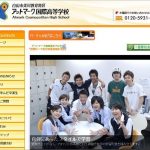
美川アットマーク国際高等学校は国内最短のスクーリング日数で卒業できる通信制高校。通常の5分の1ほどのスクーリングで卒業できますが、その秘訣はインターネットを活用して授業を進められる学習スタイルにあります。スクーリングも楽しい美川アットマーク国際高等学校を紹介。
緑ヶ丘女学院高等学校について紹介しているページです。こちらは自分に合せてコースが選択できる通信制高校となっております。自分を成長させたい方はぜひ。

水戸平成学園高等学校は通信制高校でありながら、およそ9割の生徒が週5日登校しています。授業内容も工夫が凝らされ、学校行事も豊富な水戸平成学園高等学校。高校時代の思い出を作ることができる通信制高校です。今回は水戸平成学園高等学校の学費やコース、スクーリングに数をご紹介。

松実高等学園は埼玉県教育委員会から指定されている技能連携校です。卒業率100%、進学率90%以上と、不登校を経験した方も卒業まで通いやすい環境が整っています。自分のペースを守りながら学習を進められる松美高等学園の学費、特徴、コース、口コミをご紹介。
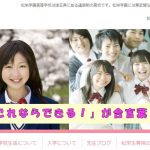
松栄学園高等学校について紹介しているページです。こちらは自分の時間を大切にしながら高校卒業を目指せる通信制高校となっています。

マイン高等学院は通信制高校サポート校です。登校日数が週5日の通学コースから在宅教員派遣コースまで自由に選ぶことができます。学校外で活動されている方、働きながら通う方、不登校を経験した方など、様々な背景を持った方が通うことのできるサポート校です。
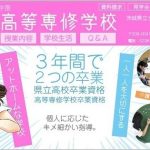
細谷高等専修学校は、通信制高校ではなく高等専修学校です。茨城県の県立高校水戸南高等学校と並行で通えば、2校の卒業資格を取得することができます。国語、数学、英語などの一般科目から洋裁、和裁、介護福祉など専門科目も学ぶことができます。
へいせい義塾館高等学院は中京高等学校通信制高校のサポート校です。登校日数を週1日、毎日、在宅コースのの3つから選ぶことができます。不登校を経験した方から進学を目指す方まで通っています。今回はへいせい義塾館高等学院の学費、特徴、コース、口コミをご紹介。

東京自由学院(旧・フリースピリット学園)について紹介しているページです。こちらは通信制高校ではなくサポート校です。音楽を学びながら卒業資格を取得したい方におすすめです。
BLEA(ブレア)女子高等部ファッションやヘア、ネイルについて学べる渋谷にあるサポート校です。おしゃれに興味のある方なら楽しみながらファッション業界に必要な知識とスキルを身に付けることができます。今回はBLEA(ブレア)女子高等部の学費や口コミをご紹介します。
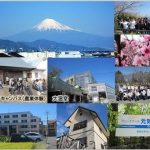
フリースクール元気学園は寮を完備しているため、日本全国の生徒を受け入れています。自立したい、また子供を自立させたいと考えている方におすすめのフリースクールです。資格取得制度も整い、卒業後も社会で活かせる知識とスキルを身に付けることができます。
府内高等学校は、フレックスコースとスクーリングコースに分かれています。全日制高校と同じように週5日通い学校生活に慣れるコースや週に1日、ご自身のペースで通うコースまで揃っています。今回は、府内高等学校の学費、特徴、コース、口コミなどをご紹介。

双葉高等学校は全日制課程と通信制課程があり、通信制課程は多彩なレポート学習が魅力です。全日制高校を母体としているため、学習カリキュラムの充実さ、先生からのサポートの手厚さを強みにしています。今回は双葉高等学校の学費、特徴、コース、口コミなどをご紹介。
藤枝学院実務高等専修学校は、一人一人に合わせて学習を行なう個別指導に強みを持っています。不登校や高校中退を経験した方も安心して通うことができます。卒業資格、専門性の高い資格の取得にも力を入れています。今回は藤枝学院高等専修学校の学費、特徴、コース、口コミをご紹介。
つくば開成福岡高等学校は、不登校や高校中退を経験した方、大学や専門学校への進学を目指す方、幅広い生徒を対象に独自の学習カリキュラムで指導しています。つくば開成福岡高等学校の学費、特徴、コース、口コミについてご紹介します。
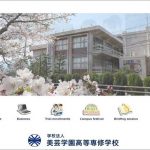
美芸学園高等専修学校は2つの学科に分かれており、それぞれ初心者でも安心して学べる環境です。千本桜で有名な高田川に面しているため、春は通学も楽しみのひとつです。今回は美芸学園高等専修学校の学費、特徴、コース、口コミについてご紹介します。
広島萌星館は臨床心理士の有資格カウンセラーが先生として指導します。一般科目以外にも、会話術、ストレス対処法なども学ぶことができるので、過去に不登校やいじめを経験した方も安心して通うことができます。入学に不安を抱いている方は1日か1か月の体験入学も可能です。
広島工業大学高等学校エンカレッジコースの特徴や学費についてのコラムです。広島工業大学高等学校エンカレッジコースは、自分のスタイルに合わせてカリキュラム構成できるのです。

一ツ葉高等学校は、一般コース・大学進学コース・週1日コースに分かれています。ご自分のスタイルに合わせて履修科目や登校日数、コースを選べるのが全日制高校との違いです。通信制高校でもイベントは盛りだくさんです。友達も思い出も作ることができます。
日々輝学園高等学校は勉強に不安を抱いている方も安心して学べるコースを用意しています。本校では総合クラス、STクラス、3DAYSクラスから自分に合ったクラスを選ぶことができます。クラスによって学費や登校日数、授業カリキュラムは異なるため事前に確認しましょう。
日立工業専修学校高等課程は、電気科・機械科・溶接科の3コースから選択できます。株式会社日立製作所が運営する学校なので、工学について専門的な知識とスキルを得ることができます。また、学費や寮費は無料!資格も初回受験料は学校で負担するので、費用を押さえながら通える学校です。
東日本国際大学付属昌平高等学校・通信制課程は一人一人の学習サポートに力を入れています。不登校を経験した方はもちろん、社会人として働いている方も3年間で卒業資格を目指すことができます。今回は東日本国際大学昌平高等学校の学費、特徴、コース、口コミについてご紹介。
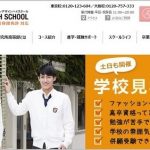
バンタンデザイン研究所高等部は、最新のファッション技術などを取り入れた授業を行います。座学だけでなく、自分の頭で考えるワークショップやプレゼンテーション、フィールドワークなど実践的な授業も。今回はバンタンデザイン研究所の学費、特徴、コース、口コミをご紹介。
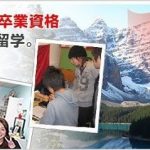
バンクーバー高等学校の特徴や学費についてのコラムです。バンクーバー高等学校は、英語力を学ぶとともに社会性を身に付けた人間教育を目指しています。
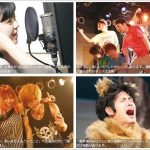
パクス・ミュージックスクールの特色や学費についてのコラムです。パクス・ミュージックスクールは、音楽や芸能について学びながら、高校卒業資格の取得を目指せる学校となっています。

NODAレーシングアカデミー高等部の特徴や学費についてのコラムです。NODAレーシングアカデミー高等部は、モータースポーツを楽しみながら、卒業資格を取得できるサポート校となっております。
野田国際高等学院の特色や学費についてのコラムです。野田国際高等学院は、他校とは違い基礎力を培う事を目的とした授業を行なっています。
ネムハイスクールは、4つのコースから自由に選択できます。他の通信制高校に比べて学費も安い点も魅力です。入学試験も筆記テストはないため、学力に不安を抱いている方もご安心ください。今回はネムハイスクールの学費、特徴、コース、口コミについてご紹介。

ネイルクラフトアーティスト学院・高等部は、ネイルの資格も卒業資格も取得できる学校です。火曜日から日曜日まで自由にスケジュールを組むことができるのでお仕事で忙しい方もネイリストを目指すことができます。今回はネイルクラフトアーティスト学院の学費口コミ、コースなどをご紹介。
ニュートン高等専修学校では、学力に不安を抱いている方も安心して通うことができる通信制高校です。科学技術学園高等学校と技能連携協定を結んでいるため、専門的な授業も履修できます。進路サポートも充実しているので、就職を目指している方も進学を目指している方も安心です。
日本航空高等学校通信課程の特徴や学費についてのコラムです。日本航空高等学校通信課程では、4つのコースに分かれているのでご自分のスタイルに合わせて選択を。
日本宝飾クラフト学院高等部の特徴や学費についてのコラムです。日本宝飾クラフト学院高等部は、ジュエリーなどの知識や技術を身に付けながら、高校卒業資格が取得できます。

日本文理学院高等部の特色や学費についてのコラムです。日本文理学院高等部では、全日制課程・フレックス課程・マンツーマン課程の3つにコースが分かれています。

日本サーフアカデミー高等部の特徴や学費についてのコラムです。日本サーフアカデミー高等部は、サーフィンを楽しみながら通信制高校の学習を進めることのできるサポート校です。
日本ウェルネス高等学校の特徴や学費についてのコラムです。日本ウェルネス高等学校は、通学スタイルの選択や何を学びたいのかというコースも選択でき、各自のペースで通えるのが魅力となっています。
西宮甲英高等学院の特徴や学費についてのコラムです。西宮甲英高等学院の通信コースは、2つのコースに分かれていますので、ご自分の生活スタイルに合わせて選択できます。

新潟中央学院の特徴や学費についてのコラムです。新潟中央学院は、4つのコースに分かれておりますので、ご自分に合ったコースを選択しましょう。

成田学院の特徴や学費についてのコラムです。成田学院は、少人数授業なので、一人一人しっかりサポートしてもらう事が可能なのです。
奈良高等学園の特色や学費についてのコラムです。奈良高等学園は、ご自分に合わせてカリキュラムを組めるようになっているのが特徴です。

並木学院高等学校の特徴や学費についてのコラムです。並木学院高等学校の通信コースは、月2回の登校ですから通いやすくなっています。
名都高等学院の特徴や学費についてのコラムです。名都高等学院は、体験学習を多く用意しているので、たくさんのことを経験して学んでいける環境となっています。
中山学園高等学校の特色や学費についてのコラムです。中山学園高等学校では、平日スクーリングコースと土曜スクーリングコースに分かれているので、通いやすくなっているのが魅力となっています。

とわの森三愛高等学校・通信制課程の特徴や学費についてのコラムです。とわの森三愛高等学校・通信制課程は、酪農を通じて命の尊さを学べる通信制高校となっております。

トライ式高等学院の特徴や学費についてのコラムです。トライ式高等学院は、色々なコースに分かれていますので、ご自分がどう過ごしていきたいのかお決めになってから選択を。
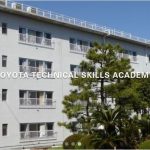
トヨタ工業学園高等部の特色や学費についてのコラムです。トヨタ工業学園高等部は、モノづくりの基礎や社会人として必要なことを学べるようになっているのが魅力なんです。
徳風高等学校の特徴や学費についてのコラムです。徳風高等学校は、土日サポートコースと平日サポートコースがありますので、ご自分に合っている方を選択しましょう。
東林館高等学校の特徴や学費についてのコラムです。東林館高等学校は、単位制と学年制を併設しているので、お好きな方を選択できます。
東葉高等学校・通信課程の特色や学費についてのコラムです。東葉高等学校・通信課程は、「親」教育というものを行なっており、お子さんと一緒に成長していけるのです。
稲門高等学院の特徴や学費についてのコラムです。稲門高等学院は、5つのコースから選べるので、ご自分のスタイルに合わせて無理の無い通学を。

東京療術学院・高等部の特徴や学費についてのコラムです。東京療術学院・高等部は、卒業資格修得だけではなくて、手に職を付けることも可能なのです。
東京文理学院高等部の特色や学費についてのコラムです。東京文理学院高等部は、学習指導に力を入れていますので、学力に不安を感じている方でも安心して学べます。
東京国際音楽療法専門学院・高等部の特徴や学費についてのコラムです。東京国際音楽療法専門学院・高等部は、コースが分かれていますからご自分に合わせて選択を。

東京ネットウェイブの特色や学費についてのコラムです。東京ネットウェイブでは、通常の学習に加えて、専門コースを選択して学ぶことが可能なのです。

東京芸能学園・高等部の特徴や学費についてのコラムです。東京芸能学園・高等部は、普通科・芸能科・ダンス科の3つから選択できるので、将来の希望に合わせて選択を。
東京音楽芸術学園・高等部の特徴や学費についてのコラムです。東京音楽芸術学園・高等部は、レポートを分かりやすい解説で教えてくれますので、学力に自信が無い方でも◎。
東京国際学園高等部の特徴や学費についてのコラムです。東京国際学園高等部は、多彩なコースに分かれていますので、ご自分の将来の夢に合わせて選択を。

東京インターハイスクールの特色や学費についてのコラムです。東京インターハイスクールは、世界中いつでも入学・卒業のできる通信制高校なっております。
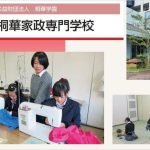
桐華家政専門学校の特徴や学費についてのコラムです。桐華家政専門学校は、高等課程と専門課程、一般課程に分かれていますので、学びたいことに合わせて選択できます。
東京共育学園高等部の特色や学費についてのコラムです。東京共育学園高等部は、入学前のフォローもしっかりしてくれますし、ボランティア講座で自分を育てることも出来ます。
東海大学付属望星高等学校の特徴や学費についてのコラムです。東海大学付属望星高等学校は、放送教育コースと平日教育コースに分かれています。
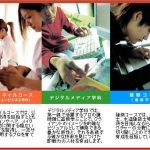
デザインテクノロジー専門学校高等課程の特色や学費についてのコラムです。デザインテクノロジー専門学校高等課程は、6つのコースに分かれているので、ご自分の夢に合わせて選択可能。
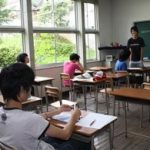
天龍興譲高等学校の特徴や学費についてのコラムです。天龍興譲高等学校のスクーリングでは、様々な体験学習が出来ますので多くの事を学び経験できます。
天王寺学館高等学校通信部の特徴や学費についてのコラムです。天王寺学館高等学校通信部は、週3日通学するようになっていますが、毎日登校することも可能なのです。
つくば松実高等学校の特色や学費についてのコラムです。つくば松実高等学校は、恵まれた自然の中で過ごせるので、色々なことを体験することが出来ます。
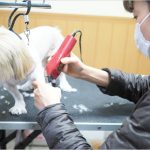
つくば明研高等学院の特徴や学費についてのコラムです。つくば明研高等学院は、犬と触れ合いながら学んで行けるサポート校になっています。
つくば開成高等学校の特徴や学費についてのコラムです。つくば開成高等学校は、自分のライフスタイルやレベルに合わせて通える通信制高校です。
中央国際高等学校の特徴や学費についてのコラムです。中央国際高等学校のスクーリングは、4日間の集中スクーリングとなっており、色々な経験が出来ます。
中央高等学院の特徴や通信制高校サポートコースについてのコラムです。中央高等学院の通信制高校サポートコースは、勉強が苦手でも授業についていける環境づくりがされています。

チャレンジスクール三重の特徴や学費についてのコラムです。チャレンジスクール三重は4つのコースに分かれているから、自分の学びたいものを選択できるんです。
地球環境高等学校の特徴や学費についてのコラムです。地球環境高等学校は、勉強だけではなくて人間としても成長できる通信制高校となっています。
高宮学院高等部の特色や学費についてのコラムです。高宮学院高等部は、3つのコースに分かれているので、ご自分のスタイルに合わせて選択できます。

高松国際高等学院の特色や学費についてのコラムです。高松国際高等学院は、ご自分の生活に合わせてコースを選択できるようになっています。
たかの友梨エステティックアカデミー高等部の特徴や学費についてのコラムです。たかの友梨エステティックアカデミー高等部は、美容についてだけではなく身だしなみやマナーについても学べます。
太平洋学園高等学校の特徴や学費についてのコラムです。太平洋学園高等学校は、好きな通信制コースを選択できるようになっているのが特徴です。
第一薬科大学付属高等学校の特徴や学費についてのコラムです。第一薬科大学付属高等学校は、3年間で卒業資格が取得できますし、スクーリングも月2、3回なので負担が少ないです。

大智学園高等学校の特色や学費についてのコラムです。大智学園高等学校は、習熟度別授業をしていますので、学力に自信がない方でも安心して通える通信制高校です。
松本国際高等学校-通信制課程(旧:創造学園高等学校)の特色や学費についてのコラムです。松本国際高等学校通信制課程は、スクーリングの際一人で学習したり他の生徒と一緒に学習出来るようになっている通信制高校です。
仙台育英高校(通信制課程)の特徴や学費についてのコラムです。仙台育英高校通信制課程は、男女共学の通信制高校で、スクーリングは週に一度と決まっています。

清和学園高等学校の特徴や学費についてのコラムです。清和学園高等学校は、ご自分に合わせた時間割を組めるようになっているのが嬉しい部分です。

聖友館(フリースクール)の学費や特徴についてのコラムです。聖友館は、一人一人自由にゆとりをもって学習を進められるようになっているので、安心できます。
大谷学園清心女子高等学校の特色や学費についてのコラムです。清心女子高等学校は、生徒一人一人を大切にしてくれる通信制高校となっています。

聖進学院の特色や学費についてのコラムです。聖進学院は、お好みでコースを選択できますし、学力よりも学習過程で評価してくれますので、学力に自信がない方でもおすすめ。
聖光学院高等学校(通信制課程)の特徴や学費についてのコラムです。聖光学院高等学校は、進学コースと福祉コースに分かれているので、お好きな方をお選びいただけます。
聖光高等学校通信制課程の特徴や学費についてのコラムです。聖光高等学校は、教科書に沿って進めながら楽しく学べるような環境作りがされているので、勉学に励めるようになっています。

星槎国際高等学校の特徴や学費についてのコラムです。星槎国際高等学校は、ご自分のペースに合わせて登校スタイルを選択できる通信制高校となっています。

精華学園高等学校の魅力や学費についてのコラムです。精華学園高等学校は、40ヶ所以上に学習センターを設置しているから、通いやすくなっている通信制高校なんです。
駿台甲府高等学校(通信制課程)の特色や学費についてのコラムです。駿台甲府高等学校は、学ぶ楽しさを教えたい、勉強する意欲を持たせたいと考えている通信制高校です。

C&S音楽学院の特色や学費についてのコラムです。C&S音楽学院は、高校コースでも通常の授業と音楽のレッスンを受けられる通信制高校です。

城南高等学校の特色や学費についてのコラムです。城南高等学校では、調理科・製菓科を選択できる、資格取得・就職に強い通信制高校となっています。
湘南国際高等学院の特徴や学費についてのコラムです。湘南国際高等学院は、学習したいという意欲を重視しているから、やる気のある方にはおすすめの通信制高校です。
尚志高等学校通信課程の特色や学費についてのコラムです。尚志高等学校通信課程は、夢を叶えたい方や自分で未来を切り開きたい方におすすめの通信制高校です。
秋桜(しゅうおう)高等学校の特徴や学費についてのコラムです。秋桜(しゅうおう)高等学校は、自分に合わせた学習スタイルを選択できる通信制高校です。
松陰高等学校の学習の進め方や学費についてのコラムです。松陰高等学校は、個人に合わせた学習スタイルで学べる通信制高校になっています。
師友塾高等学校の魅力や学費についてのコラムです。師友塾高等学校は、自宅学習をメインにしている通信制高校なので、人が苦手な方でも安心して通えるようになっています。
相生学院高等学校の学費や通信制高校としての特徴、学校の魅力などをコラム形式で紹介しているページです。
あいち造形デザイン専門学校では愛知産業大学工業高校の普通科、通信課程と連携した高校生のデザイン教育を行ってます。
葵高等学院の学費や特徴などをコラム形式で紹介しているページです。鹿島学園高等学校のサポート校となっています。
青森山田高等学校の通信制課程の学費や、学校の特徴をコラム形式で紹介しているページです。芸能やスポーツで活躍している生徒の受け入れもおこなっています。
青山ビューティ学院高等では、高校に通いながら美容の専門知識を学ぶことのできる、技能連携校です。サポート校の扱いとなります。

麻布高等学院では通信制高校の学習と高卒認定試験の学習を並行して行うことができます。そのため効率よく高卒資格を得ることが可能です。
あずさ第一高等学校では、技能連携校に並行して通って資格を得ることのできるコースの他、週1日から通うことのできる一般コースなど多彩な教育が魅力な通信制高校です。

厚木中央高等学校通信課程では専門科目としてファッションや電気工学、プログラムなどを学習しながら高校卒業資格を得ることができます
石川県にある教育特区だった美川区のインターネット指導をメインとした通信制高校です。帰国子女の受け入れ、海外に住む日本人の高校卒業資格取得なども可能です。
綾羽高等学校は滋賀県にある私立の通信制高校です。全日制課程では専門的な資格を目指す教育を行っています。
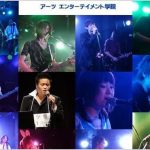
アーツエンターテイメント学院の学費や特徴を紹介しているページです。

ECC学園高等学校では全国から生徒の受け入れを行っています。広域性通信制高校で、集中スクーリングでは本校のある石川県へ行きます

池上学院高等学校は北海道全域で生徒の募集を行っている通信制高校です。週5日通えるコースもあるので、自分のペースに合わせた学習ができます。

一関学院高等学校は通信制課程を併設している高等学校です。本校は岩手県内になりますが、宮城県にもキャンパスができました。

インターナショナルデザインアカデミーでは未来高等学校に通いながら、デザインやファッションなどの専門性の高い学習を行うことができます。
ヴィーナスアカデミー高等部では美容に関する総合的な学習を行うことができます。通信制高校は別に在籍する技能連携校です。
英心高等学校では、通信制教育の単位制授業を活かして、生徒のレベルにあった授業を受けることができます。

NHK高等学校は日本で初めての通信制高校です。海外在住者向けや、自宅学習だけをすすめたい生徒なども対応しています。
大川学園高等学校は埼玉県飯能市にある通信制高校です。全日制高校を運営している高校なので、学校施設も充実しています。

大原学園高等学校では通信制高校教育を行っています。資格修得などを応援する専門学校を経営しているので、高校生も進学や資格取得に強いそうです。
大橋学園高等学校の通信制高校です。普通科コースでは技能連携を行い、土日コースは少ないスクーリングで高校卒業資格を得ることができます
岡山県美作高等学校は岡山県北にある唯一の狭域通信制課程のある高校です。生徒にあった学習を行うことができます。

岡山理科大学付属高等学校通信制課程では、平日2日通学するコースと、日曜日だけに通学する2つのコースがあります。
開志学園高等学校は新潟県にある通信制高校です。様々な専門コースなどがあり、生徒の学習をサポートしています。
神奈川県にある通信制課程のコースを備えた私立の高校です。全日制コースでは大学受験を目指すアドバンスコースなどがあります

科学技術学園高等学校は広域性通信制高校です。高認試験の苦手な科目だけを単位で履修できる科目履修にも対応しています。
学研のサポート校WILL学園では、通信制高校のサポート校や、不登校児童が通うことのできるフリースクールとして機能しています

PAS神奈川高等学院はサポート校です。フリースクールのような形で、様々な生徒の要望や将来の希望に沿ったカリキュラムがあります
神村学園高等学校は広域性通信制高校です。魅惑講座100選など普通科目以外にも面白い教科をたくさん取り扱っています。
河合塾コスモコースでは高校卒業認定試験を受ける生徒や、学習が遅れてしまった生徒などのバックアップを行っています
関西インターナショナルハイスクールでは、生きた英語を教育しています。卒業時にTOIC550点から800点を目指します
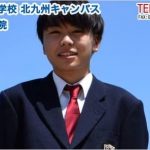
北九州自由高等学院では、自分の希望する学習スタイルで勉強することができます。不登校児童などの受け入れも行っているサポート校です。
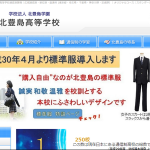
北豊島高等学校は東京都にある私立の通信制高校です。オリジナルコースとスタンダードコースに分かれています。
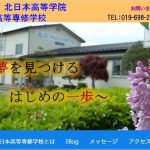
北日本専修学校では、不登校児童の受け入れを積極的に行っています。最初は通えない生徒も徐々に学校に馴染むことが多いようです。
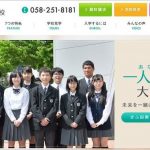
ぎふ国際高等学校は通信制高校です。愛知県の名古屋、豊橋と岐阜県にキャンパスがあります。体験学習なども多く取り入れている学校です
希望高等学園は通信制高校のクラーク記念国際高等学校のサポート校です。生徒にあった学習ペースを重視しています

教育サポート高等学院では、徹底した個別指導を行っています。キャンパスなどはなく、講師が自宅にきて指導を行います。
京都外大西高等学校の通信制課程では、自分のペースで学習ができます。ネット授業は200も講義があるそうです
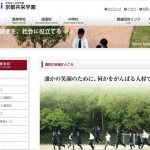
京都共栄学園高等学校では通信制課程でも教育を行っています。全日制コースも運営しているの進学面なども強いそうです。
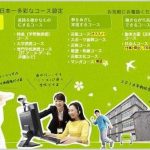
京都美山高等学校では在宅で授業を視聴するネット授業を初めて開始した通信制高校です。
きらら国際高等学院はクラーク記念国際高等学校のサポート校です。不登校や引きこもりの児童を積極的に受け入れています。
キラリ高等学校は通信制高校です。心に傷を負ってしまった生徒のバックアップなどを積極的に行っています。
近畿自由学院は大阪にあるフリースクールです。通信制高校のサポート校の役割も果たしています。不登校児童などを積極的に受け入れています。
学芸館高等学校通信課程の学費や特徴についてまとめているページです。入学を検討されている、もしくは投稿へ興味をお持ちの方はチェックしてみてください。
近畿大学付属福岡高等学校は通信制高校です。近畿大学の付属校なので、特別推薦枠を利用することもできます。
国立音楽院高等科では、通信制高校に在籍しながら、自分で好きな音楽の学習を行えます。オープンシラバス制度で興味のある科目を自由に履修できます。
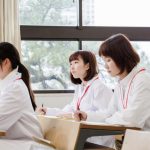
熊本高等学院は、江原予備校という大学進学個別指導塾が運営しているサポート校です。経験の豊富な予備校教師が生徒の指導にあたっています
くまもと清陵高校では、熊本市内に指定のサポート校を置き、サポート校、本校で先生と生徒が一緒に学習をします。特進コースの生徒も多く、通信制高校でありながら進学実績もしっかりしています。
KIT高等学院は山口県にあるサポート校、フリースクールです。不登校や引きこもりなど、心に傷を持った生徒の受け入れを積極的に行っています。
慶風高等学校は和歌山県にある通信制高校です。部活動に力を入れることのできるスポーツコースなどがあります。
興学社高等学院は千葉県松戸市にある発達障害児童や、精神的に傷を負ってしまった生徒などを積極的に受け入れているフリースクールです。
神戸自由学院は、楽しくなければ学校じゃない、をモットーに、不登校児童や通信制高校のサポート校として、フリースクールを運営しています。
神戸セミナーは大学受験を目指す生徒に特化したサポート校です。高校受験の失敗や、教科ごとの学力の開きなどにも対応してくれます
音楽を専門に学ぶことのできる技能連携校です。本科では留学制度などもあり、バークリー音楽大学と連携を結んでいます。
晃陽学園高等学校東京校は杉並区荻窪にある通信制高校です。学費も比較的安く、サポート校の必要ない指導を行っています
大阪にある通信制高校の向陽台高等学校です。コースの転籍は学年の途中でも大丈夫なので、自分のペースで進学を目指せます。
今治精華高等学校の学費や特徴についてまとめているページです。入学を検討されている、もしくは投稿へ興味をお持ちの方はチェックしてみてください。
国際学院高等学校・通信課程は埼玉県にある通信制高校です。通信制高校としては珍しく、制服着用の義務や染髪、ピアスなどの生活指導をしっかりと行っています。
国際高等学院は草加に本校を置く全国の通信制高校の生徒が通うことのできるサポート校です。体験学習なども非常に多い学校です。
国際芸術学院は日本で初めてダンスだけに特化したサポート校です。ダブル担任制度でダンスと教科担任が2人、生徒一人につきます
国際文化学園高等部の学費や特徴についてまとめているページです。入学を検討されている、もしくは投稿へ興味をお持ちの方はチェックしてみてください。
東京にある私立国士舘大学付属高校の通信制課程です。内部進学も試験にパスすれば可能ですし、大学の授業も高大併修制度で可能です
コードアカデミー高等学校では高校生でプログラミング言語を学ぶことができます。また、日本で初めてプログラミング学習を必修科目とした学校となっています。
佐賀星生学園はサポート校です。佐賀県にあり、ウィークデイコースと土曜日コースの2つに分かれています。
桜ヶ丘学園高等部では、ファッションやアニメ、声優などの学習を行うことができます。ファッション科は姉妹校の専門学校のショーにも参加できます
さくら高等学校は長野県上田市にある通信制高校です。広域性高校なので全国から生徒の受け入れを行っています。
北海道にある通信制高校です。通信制高校としては非常に歴史が浅いですが、長い期間、不登校児童をサポートするフリースクールとして活動していました
志学会高等学校の学費や授業料について紹介しているコラムです。志学会高等学校は、自分に合わせてスケジュールを立て通うことが出来ます。
自然学園高等学校の特色や学費についてのコラムページです。自然学園高等学校は、セメスター制なので学習しやすいシステムとなっています。
信濃むつみ高等学校の特徴や学費についてのコラムです。信濃むつみ高等学校は、あそびも大切だと考えているので、イベントや部活動が多く設けられています。
渋谷高等学院の特色や学費についてのコラムです。渋谷高等学院は、コースが豊富なのでお好きなコースを選べるようになっていますし、自分らしく通える通信制高校です。
ルネサンス高等学校では入学者全員にiPad miniが配布され、全国どこからでも授業を受けることができます。それだけでなく、レポートもインターネットから提出できるため、登校日数を最小限に抑えることも可能。今回はルネサンス高等学校の学費や特徴をご紹介。
第一学院高等学校は1/1の教育を理念としており、個別指導や進路相談に力をいれている通信制高校です。また地域密着を一つの取り組みとしておりボランティア活動などにも積極的に関わっています。
ヒューマンキャンパス高等学校の特色や学費についてのコラムです。ヒューマンキャンパス高等学校は、20種類以上の専門分野を学べるコースや一般通信制課程などに分かれているのが特徴です。進路サポートも充実しているヒューマンキャンパスについてご紹介。
おおぞら高等学院は通信制高校「屋久島おおぞら高等学校」のサポート校であり、相性の良い先生が見つかるまで先生を変える事ができるマイティーチャー制度と屋久島の大自然の中行なわれるスクーリングが魅力です。
鹿島学園高等学校は全日制高校が運営している通信制高校です。入学時は通信制に通っていた方も、在学途中で全日制に移籍することも可能。全国に130のセンターを持つこと、学費が安いことから通信制高校の中でも人気があります。今回は鹿島学園高等学校の特徴や学費についてご紹介。
飛鳥未来高等学校は学校法人三幸学園が経営する通信制高校で、姉妹校に多彩な分野の専門学校と提携しています。また、その施設を利用できるため、実践的に学べることも魅力です。各専門学校への進学にも力を入れており、卒業後の進路も安心です。
中京高等学校は学校法人安達学園が運営する全日制高校の通信制課程です。先生は全員現職の全日制教師であり、教員免許を取得している経験豊富な方ばかり。全日制高校と同等の指導を受けることができる他、大学に内部進学もできる通信制高校です。
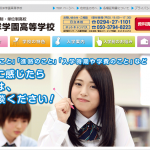
翔洋学園高等学校は茨城県日立市に本キャンパスを構える広域通信制高校。日本で初めて学習センターを設置した通信制高校で、翔洋学園高等学校の取り組みから今の通信制高校の仕組みが広がりました。ネットで補いきれない疑問点や学習以外の相談ごとなどもサポートします。
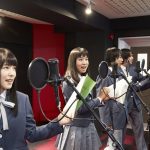
代々木アニメーション学院高等部はアニメーターや声優などサブカル系の専門分野に特化したサポート校であり、これらのプロを目指しつつ楽に高校卒業資格も取る事ができるのがポイントです。今回は、代々木アニメーション学院高等部の学費やスクーリングなどの特徴についてご紹介。
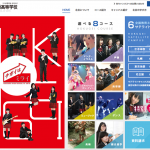
北海道芸術高等学校は高校卒業資格を取得できる通信制高校です。通信制高校の中では珍しい芸術分野に特化したコースを複数持つ学校。年に一度十勝で行なわれるスクーリングでは、酪農や乗馬など北海道ならではのアクティビティが体験ができます。
情報学館は通信制高校の卒業をサポートしつつコンピューター関連スキルを身につける事ができるサポート校です。また情報学関連資格の所得サポートも行なっており就職などで役立つ資格を並行して取る事ができます。
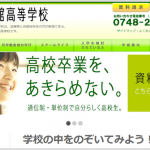
司学館高等学校は授業にかかる費用が単位毎ではなく、レポートやスクーリング、テストの回数で計算される透明度の高い学費がポイントの通信制高校です。スクーリングは個別指導で丁寧に対応してくれるので、勉強で躓く恐れは少ないです。今回は司学館高等学校の学費やスクーリングについて紹介。